Blog
Strengthening inclusive workplace governance goes beyond leadership alone. It affects relationships within and outside the office, promoting a healthy, collaborative culture that extends past work responsibilities.
Corporate governance creates standard expectations of all employees within an organisation. While this is imperative for overall productivity and ethical management, it does not make for an inclusive culture. Although the two terms sound synonymous, there is a warmer connection to be nurtured through inclusive workplace governance.
Pulling away from rigidity, inclusive workplace governance prioritises the best interests of employees while still ensuring the company's success.
So how can an organisation move past corporate governance alone? Is there a way to build this from the ground up? Is good workplace governance necessary for the growth of an organisation?
What Is Inclusive Workplace Governance?
Inclusive workplace governance creates a path for all-around participation by employees and management, regardless of their identities, backgrounds, and social standing. Diverse perspectives come together to direct company growth while taking care of employees in every aspect. However, this is not as simple as filling seats at meetings for diversity purposes.
Diversity is one part of the equation, but it does not ensure the amplification of workers’ issues. True inclusivity in workplace governance aims to improve employee participation by setting up beneficial and trusted routes for them in the workplace.
How Does It Differ from Corporate Governance?
Corporate governance, by comparison, is the framework of corporate policies that guides the workplace. It aims to direct how processes must be carried out, highlighting transparency, accountability, and performance. In other words, corporate governance is how organisations function through set strategies.
Where corporate governance sets the framework, inclusive workplace governance takes the processes and deliberations further. It considers diverse input, needs, and progressive steps for operational success.
How Strengthening Inclusive Workplace Governance Helps
By adopting inclusive workplace governance, you can improve your relationship with employees, strengthen company perception, raise awareness of important rights, and more. Here are some ways strengthening inclusive workplace governance can help:
1. It highlights workers' rights as part of normal operations.
With regard to code regulations and general ethical considerations, organisations meet the required standards to keep their operations running. For the company, the bare minimum is acceptable since income comes first. However, employees may think otherwise.
Inclusive workplace governance treats workers’ rights as a cornerstone of its processes. Employees have transparent access to what can happen to them. Most importantly, the framework can also be the source of preventive measures that protect employees automatically.
2. It develops trust between employees and management.
When employees participate in higher-level decision-making stages of company operations, they are more inclined to trust the management’s accountability and processes. More importantly, a better relationship with employees improves loyalty and productivity because the organisation genuinely takes care of them.
3. It provides a safe space for representation.
Inclusive workplace governance provides opportunities for employees to represent themselves and their specific needs in corporate spaces. It ensures that the company creates policies that promote social justice, equality, inclusivity, and career opportunities for all.
4. It encourages professional and open-minded growth.
Given that inclusivity is the main driving force of this ideology, it encourages everyone to progress professionally while being mindful of societal issues that may arise in the workplace. Career growth is nothing without awareness. Those with the professional aptitude to grow must possess the willingness to listen and act on the concerns of their peers.
5. It gives employees opportunities to contribute impactful ideas at a higher level.
Restricting the idea pool to upper management limits the potential of your organisation. Employees from any level down the corporate ladder may have meaningful ideas that could transform your current processes. Better yet, their ideas can improve on ethical and cultural considerations crucial to your company’s success.
6. It improves the general perception on your organisation.
A proper relationship with your employees can improve your reputation among others in the same industry, or even among clients and prospects. Employees naturally recommend your company when relevant, and public perception may improve along with it.
Frequently Asked Questions (FAQs)
What is inclusive workplace governance?
Inclusive workplace governance is a governance approach that enables employees and management to participate meaningfully in company decision-making, regardless of identity, background, or social standing. It goes beyond representation by creating trusted routes for employees to raise issues and shape policy.
How is inclusive workplace governance different from corporate governance?
Corporate governance sets the structures, policies, and standards that direct how an organisation operates, focusing on transparency, accountability, and performance. Inclusive workplace governance builds on those structures by factoring in diverse input and employee needs, so decisions reflect the people affected by them.
Is diversity the same as inclusive workplace governance?
No. Diversity is one part of the equation. Having varied representation in a room does not guarantee that workers’ issues are heard or acted upon. Inclusive governance ensures those voices carry weight in actual decisions.
Why is inclusive workplace governance important for business growth?
It strengthens trust between employees and management, improves loyalty and productivity, widens the pool of ideas beyond upper management. It also enhances how your organisation is perceived by peers, clients, and prospects.
How can an organisation start strengthening inclusive workplace governance?
Start by making workers’ rights a visible part of normal operations, creating safe channels for representation, inviting employee input into higher-level decisions, and reporting back on what changed as a result.
Strengthen Inclusive Workplace Governance with DBA
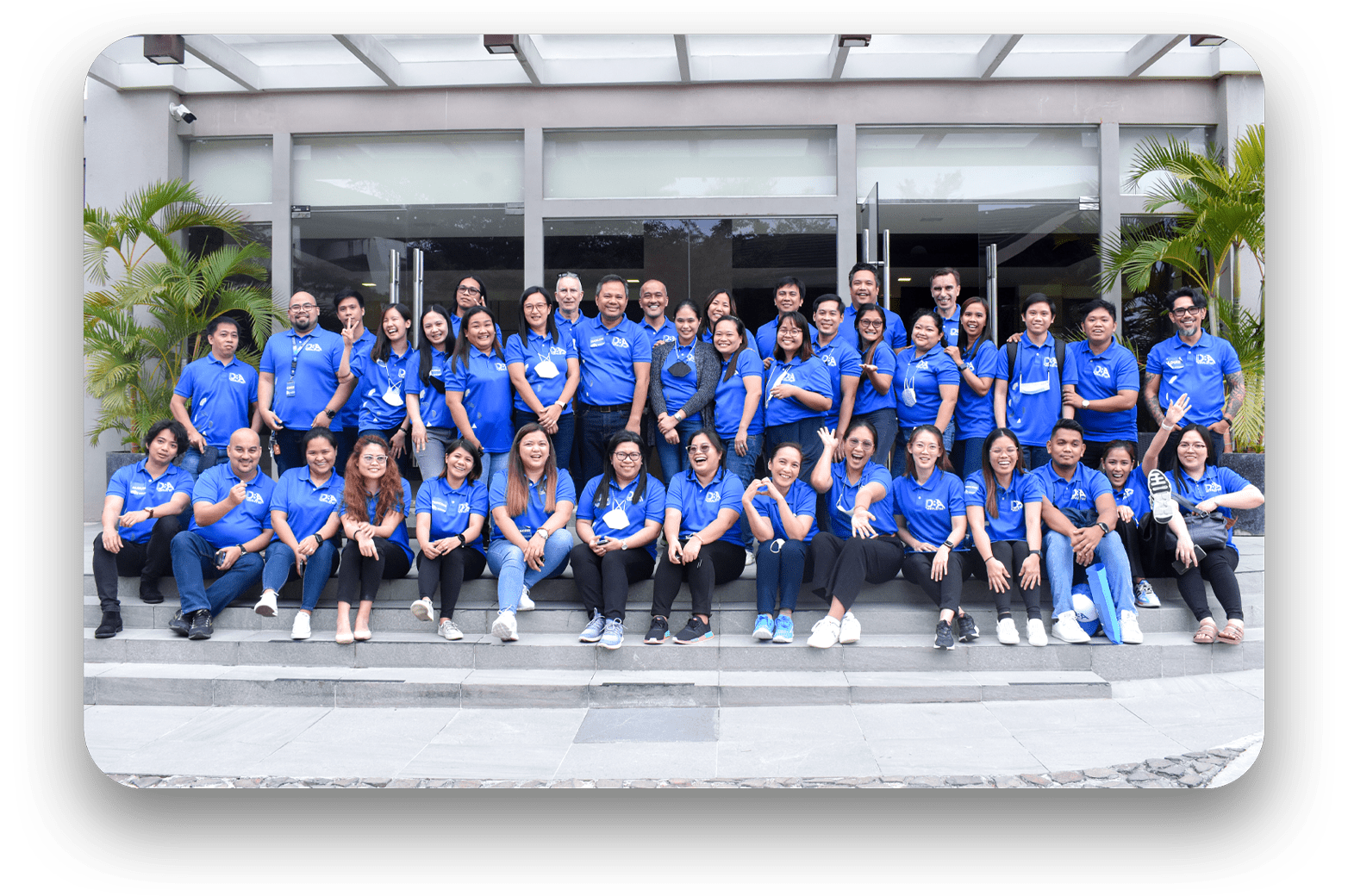
At DBA, strengthening inclusive workplace governance is not an initiative we run on the side. We built our processes around the belief that governance is only as good as the number of people it genuinely includes, and that policies written without employee input are policies written twice.
Representation here is not a seat at a table for appearance’s sake. The welfare of our team sits at the centre of our operations rather than at the edge of a compliance checklist. This ensures that our people have trusted routes to raise concerns and see them acted on. Trust between our people and management is stronger, and ideas travel upward instead of stalling at the middle.
Our culture holds steady because it was built with everyone in it. We would rather be measured not only by our results, but by how many people had a say in reaching them. Wherever your organisation sits on this journey, we would be glad to show you what inclusive workplace governance looks like in practice.
Maria Hannah Faith Delos Reyes
Share
Let’s chat over coffee.
- + 61 2 8065 4711
- info@dbaglobal.com.ph
- Suite 4, 45-47 Belmore Road Randwick NSW 2031
- + 61 2 8065 4711 | +61 2 8090 0749
- info@dbaglobal.com.ph
- G01/38A Cumberland Street, The Rocks, NSW 2000
- Suite 4, 45-47 Belmore Road Randwick NSW 2031
Book in 2 Minutes.
© 2024 DBA. All Rights Reserved.