
Cultural compatibility is one of the most critical, yet often underestimated factors in successful outsourcing.

In today’s global business landscape, outsourcing is no longer just about cost savings or operational efficiency. It is about partnership, alignment, and long-term success. When organisations align not only on processes but also on values, communication styles, and working norms, outsourcing transforms from a transactional arrangement into a strategic advantage. 

Understanding Cultural Nuances

cultural compatibility in outsourcing

Cultural nuances shape how people communicate, make decisions, manage time, and approach problem-solving. These differences may be subtle, but in outsourcing relationships, even small misunderstandings can compound into delays, frustration, or misaligned expectations. Cultural nuances can influence: 

  • Communication styles (direct vs. indirect, formal vs. informal) 
  • Decision-making approaches (hierarchical vs. collaborative) 
  • Attitudes toward deadlines and accountability 
  • Feedback and conflict resolution styles 
  • Expectations around availability and responsiveness 

Understanding these nuances is essential for effective outsourcing. Without cultural awareness, teams may misinterpret silence as agreement, direct feedback as confrontation, or flexibility as lack of accountability. 

Achieving cultural compatibility in outsourcing requires a deliberate strategy.

Building Cross-Cultural Relationships

Successful outsourcing is built on relationships, not just service-level agreements. It works best when it feels like a partnership, not a transaction. Building strong cross-cultural relationships requires intention, empathy, and structure. Key elements include: 

  • Clear Communication Frameworks: Consistent communication protocols help bridge cultural gaps. This includes agreed-upon reporting formats, meeting cadences, escalation processes, and documentation standards. Clarity reduces assumptions and builds confidence on both sides. 
  • Mutual Respect and Trust: Trust grows when teams feel understood and valued. This means respecting cultural holidays, working hours, and professional norms while maintaining shared accountability for outcomes. 
  • Cultural Awareness Training: Educating teams about each other’s working styles fosters empathy and reduces friction. Even simple awareness such as how feedback is best delivered, can significantly improve collaboration. 
  • Relationship-Focused Leadership: Strong leadership acts as a cultural bridge. Leaders who listen, adapt, and proactively manage expectations create environments where offshore and onshore teams work as one. 

The Impact of Cultural Misalignment

cultural compatibility in outsourcing

Cultural misalignment is one of the most common and costly reasons for outsourcing initiatives to underperform. When culture is ignored, businesses may experience: 

  • Repeated miscommunication and rework 
  • Delays caused by unclear ownership or hesitation to escalate issues 
  • Reduced productivity and disengaged teams 
  • Strained relationships between internal and outsourced staff 
  • Loss of confidence in the outsourcing model altogether 

In extreme cases, organisations may abandon outsourcing partnerships entirely, believing the model itself is flawed. When in reality, the issue lies in cultural incompatibility rather than capability. Cultural misalignment does not always present itself dramatically. Often, it shows subtly: slower response times, vague updates, reluctance to challenge assumptions, or frustration on both sides. Over time, these small issues compound, eroding trust and performance. 

Strategies for Ensuring Cultural Compatibility

Achieving cultural compatibility in outsourcing requires a deliberate strategy. Below are five key approaches that DBA applies to ensure alignment and success. 

1. Client-Centric Onboarding

We begin every engagement with a deep discovery process. Beyond technical requirements, we focus on understanding how the client operates, decision-making structures, communication norms, risk tolerance, and performance expectations. This insight shapes how our teams engage, report, and deliver. 

3. Cultural Awareness Training

cultural compatibility in outsourcing

Different organisations communicate differently. Some prefer structured weekly reports; others value real-time collaboration. DBA adjusts communication cadence, tools, and tone to match the client’s preference, ensuring clarity and consistency across all touchpoints. 

3. Social Media Influence

Our teams are trained to work with diverse clients across industries and regions. This cultural awareness enables them to anticipate challenges, respect differences, and adapt their approach, enhancing collaboration and reducing misunderstandings. 

4. Flexible Engagement Models

Cultural compatibility in outsourcing is not static. As businesses grow and change, so do their needs. DBA maintains flexibility in our engagement modelsallowing us to scale teams, adjust workflows, and refine processes in alignment with the client’s evolving culture. 

5. Continuous Feedback and Alignment

We encourage open, two-way feedback throughout the partnership. Regular check-ins allow us to identify cultural friction early and make timely adjustments. This ensures long-term alignment, consistent performance, and a strong working relationship. 

Why Cultural Compatibility Matters More Than Ever

As businesses become more agile and interconnected, outsourcing relationships are increasingly long-term and strategic. Teams collaborate across time zones daily, systems are deeply integrated, and outsourced professionals often represent the client’s brand directly. In this environment, cultural compatibility: 

  • Improves speed and efficiency across teams and workflows 
  • Reduces operational risk through better alignment and communication 
  • Strengthens data security and compliance through shared accountability 
  • Enhances team morale and long-term retention 
  • Delivers more consistent, higher-quality outcomes for the business 

Ultimately, culturally aligned outsourcing enables businesses to scale confidently without sacrificing control, quality, or identity. 

DBA’s Approach to Cultural Compatibility

cultural compatibility in outsourcing

Cultural compatibility in outsourcing is no longer optional; it is a competitive advantage. Businesses that invest in culturally aligned partnerships experience stronger collaboration, better outcomes, and long-term sustainability. 

Outsourcing should feel less like managing an external vendor and more like empowering an extension of your team. When culture, communication, and values align, outsourcing becomes a growth engine rather than a challenge. 

At DBA, we recognise that no two clients operate the same way. That’s why our outsourcing solutions are built around adaptability.  

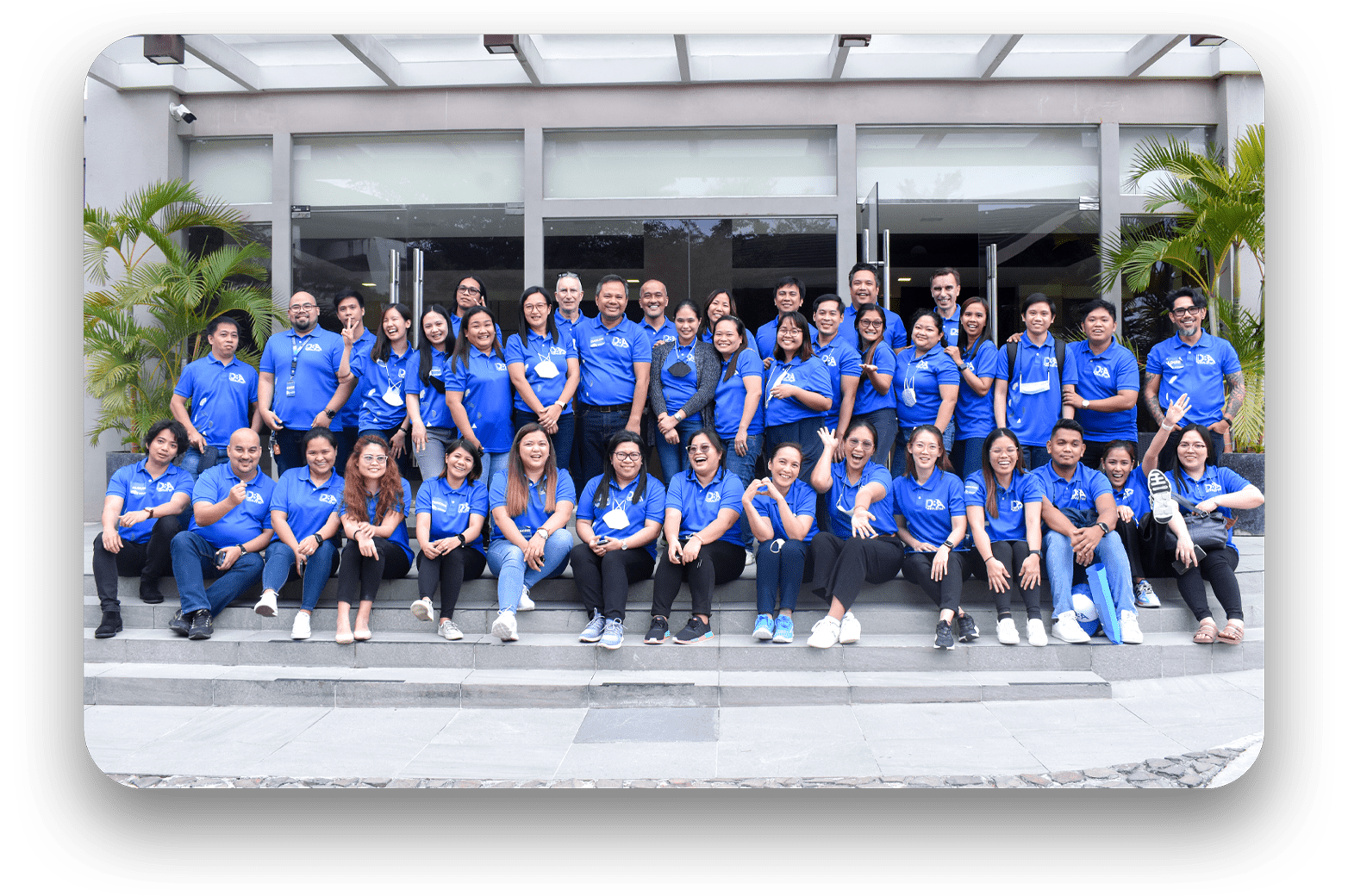
Our teams adjust their workflows, communication style, and engagement model to align with client preferences, not the other way around. By prioritising cultural compatibility in outsourcing, we ensure our dedicated teams function as a true extension of your organisation, aligned, accountable, and invested in your success. 

When culture aligns, collaboration thrives, and results follow. 

Picture of Gillian Delos Reyes, MBA, LCB, DMP

Gillian Delos Reyes, MBA, LCB, DMP

Gillian is a Content Writer for DBA, with over 5 years of experience as a content writer and educator. She is a Certified Digital Marketing Professional and Licensed Customs Broker, and is currently pursuing her master’s degree in Business Administration.
Picture of Gillian Delos Reyes, MBA, LCB, DMP

Gillian Delos Reyes, MBA, LCB, DMP

Gillian is a Content Writer for DBA, with over 5 years of experience as a content writer and educator. She is a Certified Digital Marketing Professional and Licensed Customs Broker, and is currently pursuing her master’s degree in Business Administration.

Share

Facebook
Twitter
LinkedIn
Discover the essential strategies for reinventing professional services firms through digital transformation.
Aureen Kyle Mandap, DMP

Discover the essential strategies for reinventing professional services firms through digital transformation.

Read More »
2026 SME governance blind spots
Gillian Delos Reyes, MBA, LCB, DMP

Addressing these 2026 SME governance blind spots does not require complex or disruptive transformation. Read here to know more.

Read More »
Advisory Firm Trends in 2026
Aureen Kyle Mandap, DMP

Stay ahead with the latest advisory firm trends in 2026 and know what you need to focus on remaining competitive in the business environment.

Read More »
Start your outsourcing journey with DBA

Let’s chat over coffee.

Book in 2 Minutes.

© 2024 DBA. All Rights Reserved.